


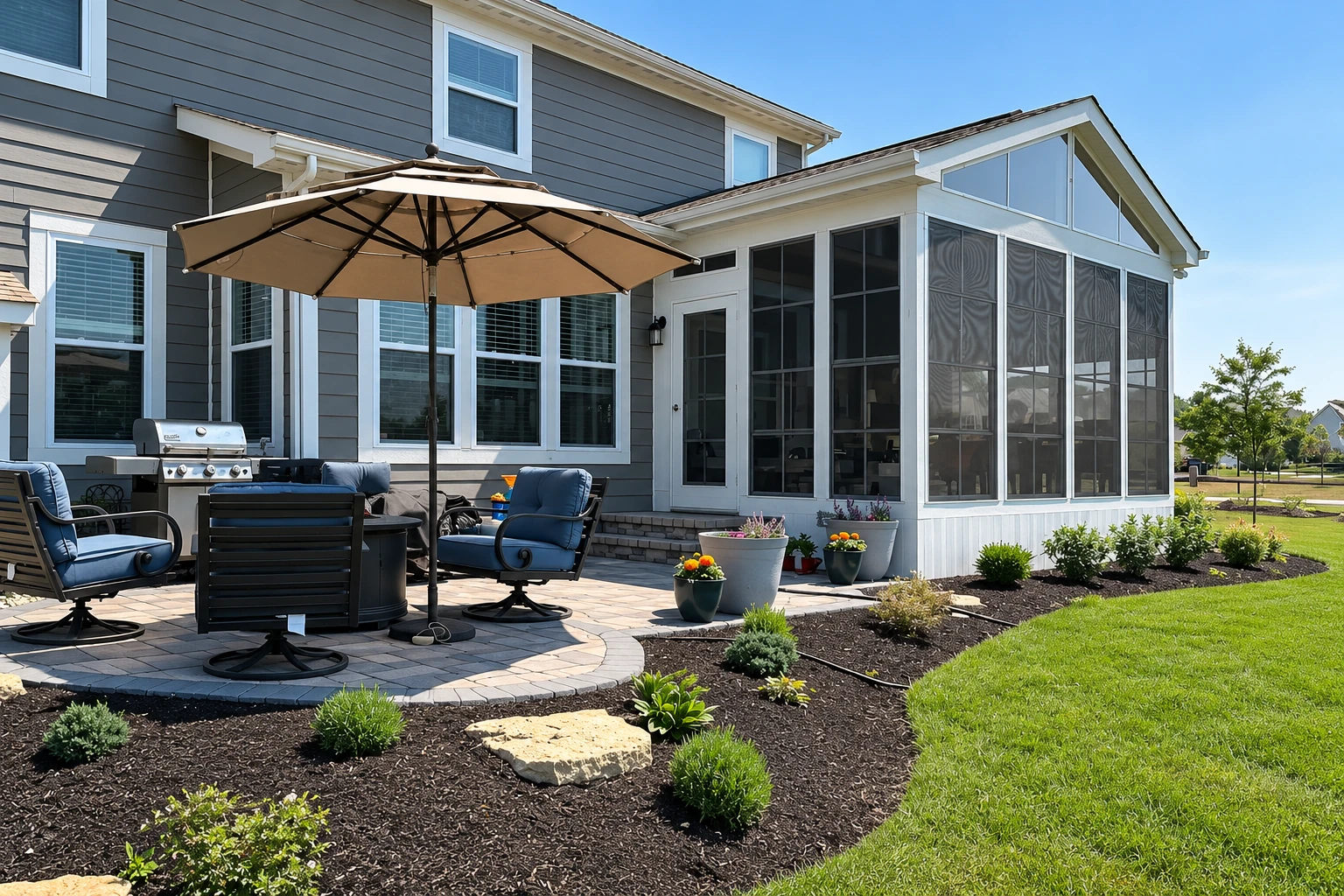

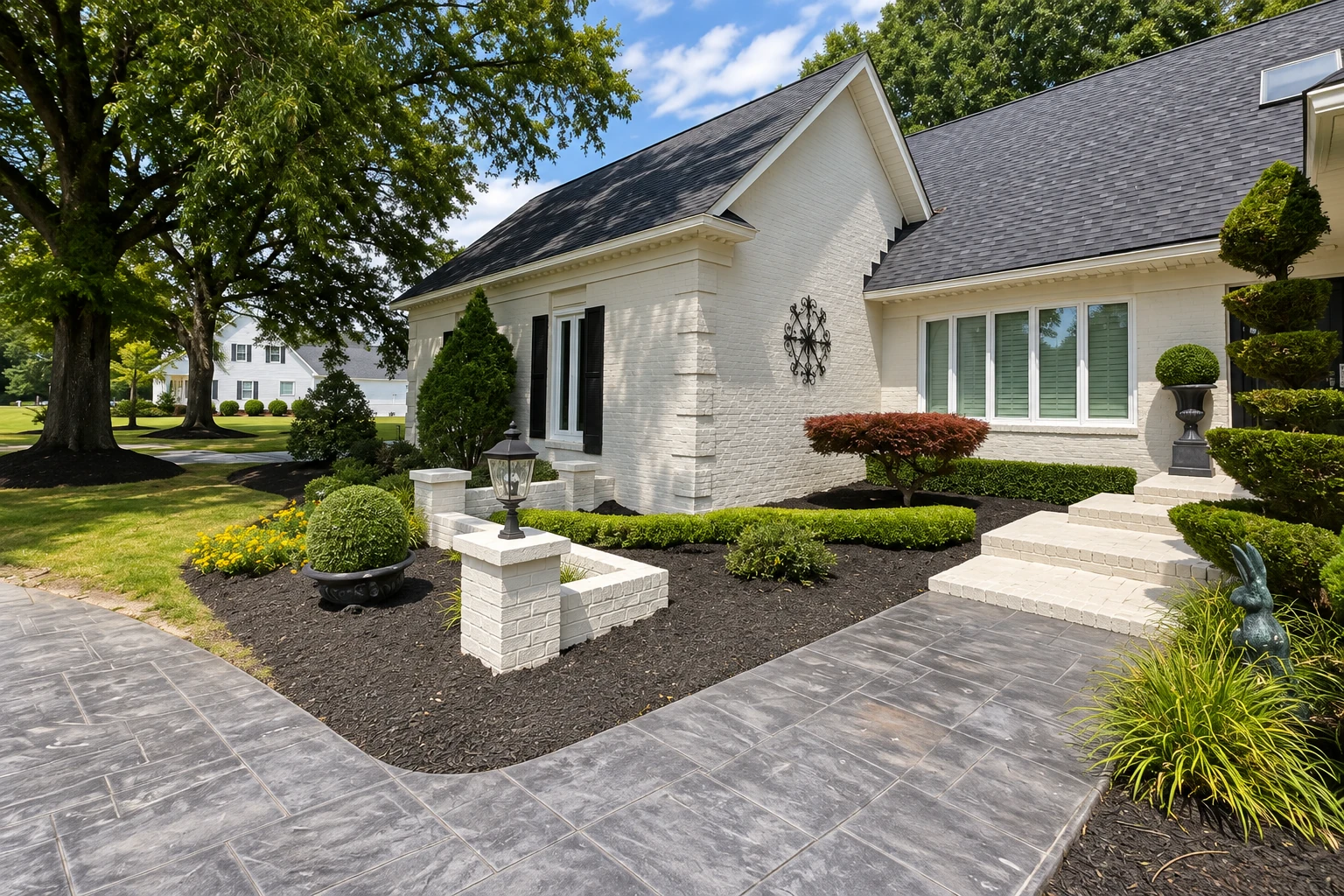
Anderson is an older city than a lot of the places we work, and the masonry shows it. Near downtown and in the neighborhoods around it, we see brick homes and storefronts where the mortar has worn back from the face of the brick, chimneys that have had decades of use, and porches and steps that have settled. Farther out, the calls are more often about block foundations, cracked concrete block walls and walks that have heaved or sunk.
We come over from Noblesville the same way we head to Pendleton or McCordsville, and I'm on the job with our crew. On houses this age the crack is usually the last sign of water that's been getting in for years, so I find where it's coming from before we fix the masonry.
What moves the price and the schedule
The price mostly comes down to how much wall or ground is involved, how deep the damage goes and what's causing it. Replacing worn mortar in a few joints is a much smaller job than rebuilding a section that water has pushed out, and matching old brick and mortar on an older Anderson house takes more care than laying new block. The schedule turns on finding material that matches and on anything the city or the historic commission needs before we start. The estimate puts the work for your house in writing, and if something can wait, I'll tell you that too.
Driveways and walks that reach the street
If your new driveway or walk runs out to the street, part of it probably sits in the city right-of-way, the strip along the road the city controls. Digging there, and building a drive or sidewalk there, takes permits, bonds and insurance, and the part in the right-of-way has to be built to the city's Driveway Standards. If your house is on a state highway, the city asks you to contact INDOT, the state's highway department, about the part in its right-of-way. I'll sort out which of that applies to your job before we dig.
Licenses and the city's plan review
The city's own trade licenses go to approved electrical, HVAC and plumbing contractors, and the Permit Center takes questions from builders about both permits and contractor licenses. We're fully licensed and insured. When a job does need a building permit, the Building Commissioner reviews the plans against the Anderson Building Code first. On new construction, a substantial improvement or a major remodel, that review also checks flood safety and whether materials that will see water stand up to water damage. You can read that rule in the city's code as published online, though the city's official copy is the one that governs.