

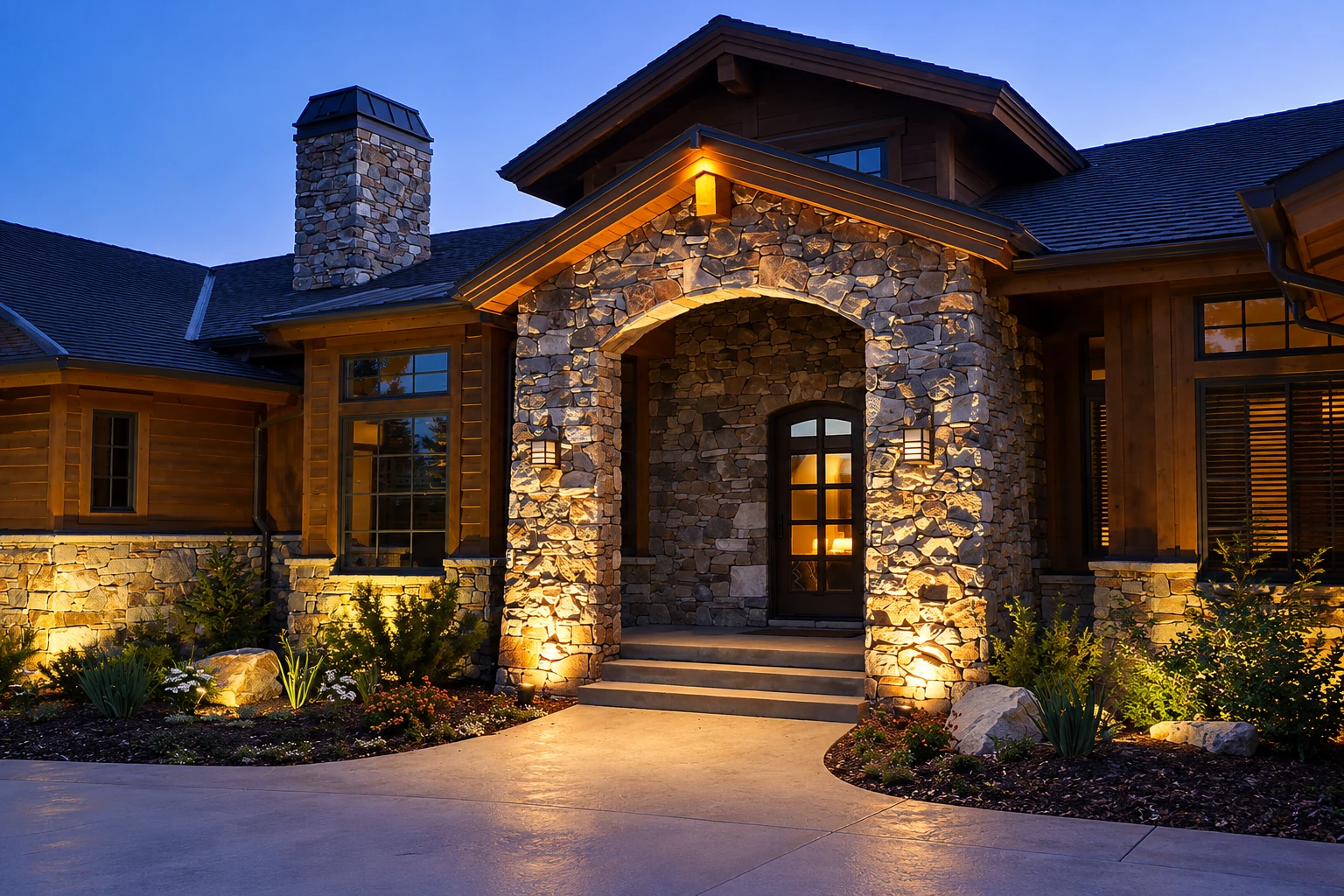
Tipton sits at the north end of where we usually work, a straight drive up from our base in Noblesville past Cicero. The houses we get called to here run from older brick homes in the blocks around downtown, which is now on the National Register of Historic Places, to newer houses on the edges of town with block foundations, poured walks and brick fronts.
We work in Elwood too, and the calls from both cities are a lot alike, with crumbling joints on the old brick and cracked foundation or garden walls on the newer houses. The ground here is flat, so water off a roof or a field takes its time leaving and sits against walls and footings, which is why I look at where the water goes before I look at the brick.
What moves the price and the schedule
The price on a Tipton job comes down to how much wall or ground is involved, how easy it is for us to reach, and what we find once it's open, because a crack that started at the footing costs more to fix right than one that's only in the mortar. Matching older brick and mortar adds time and cost too. The schedule usually turns on whether the city needs to review the work, on the weather, since mortar and concrete don't like freezing nights, and on what the wall shows us. When I come out, I tell you what I think is causing the trouble and put the work in writing, so you have your own figure before anything starts.
Where the water goes on your lot
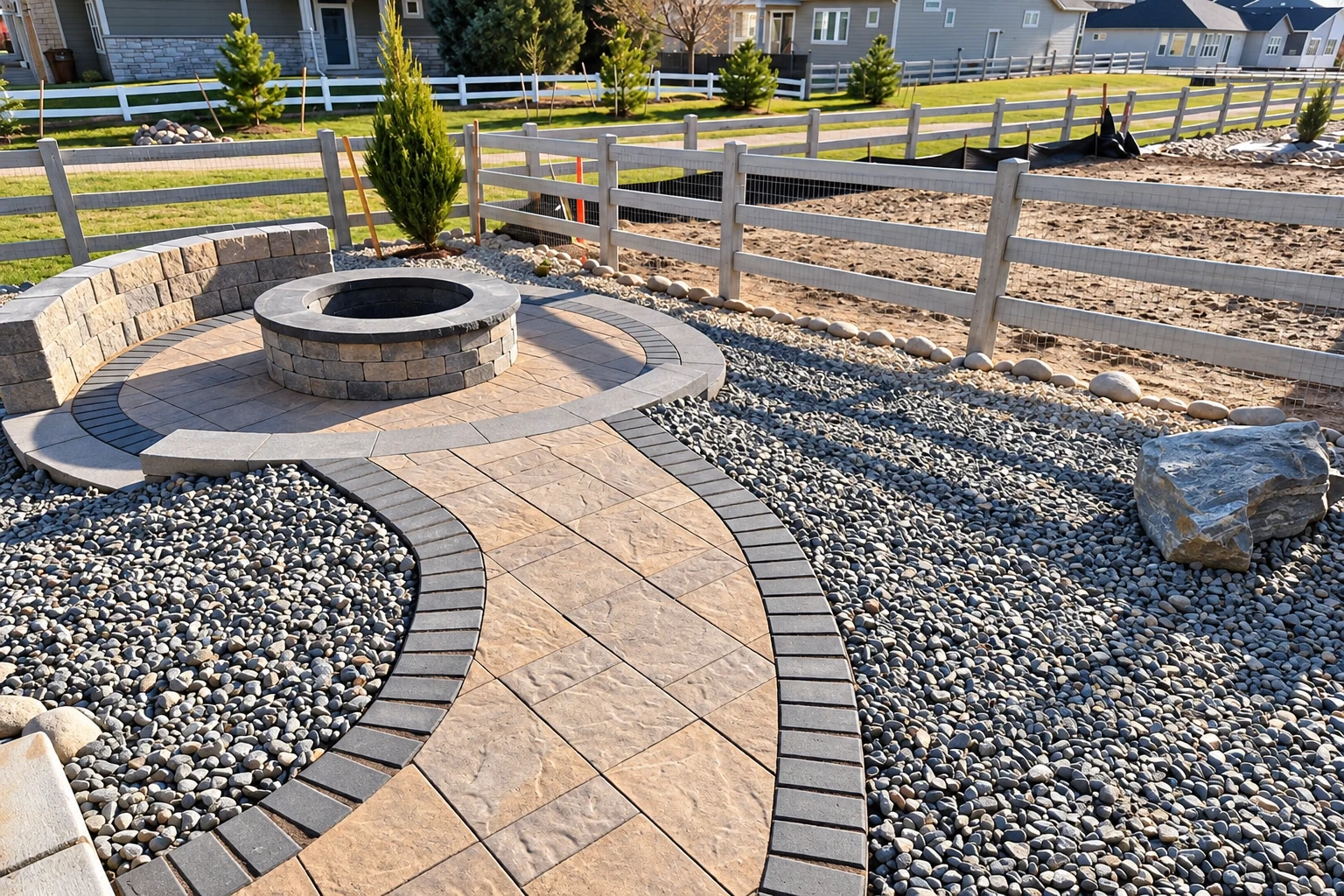
A flood study on Big Cicero Creek reported that backwater from it reaches several homes along Buck Creek on the west side of town, and that the creek floods streets and roads in Tipton and around the county. You don't need to live on the creek for water to be the problem, though. On a foundation, a retaining wall or a patio, I check the grading, the downspouts and the spots where your yard stays soft after a rain, because a wall rebuilt in the same wet spot cracks the same way again. Sometimes the right first job is moving the water, and the brick can wait. Regrading goes on its own permit application with the city, separate from the main one.
Older brick, chimneys and fireplaces
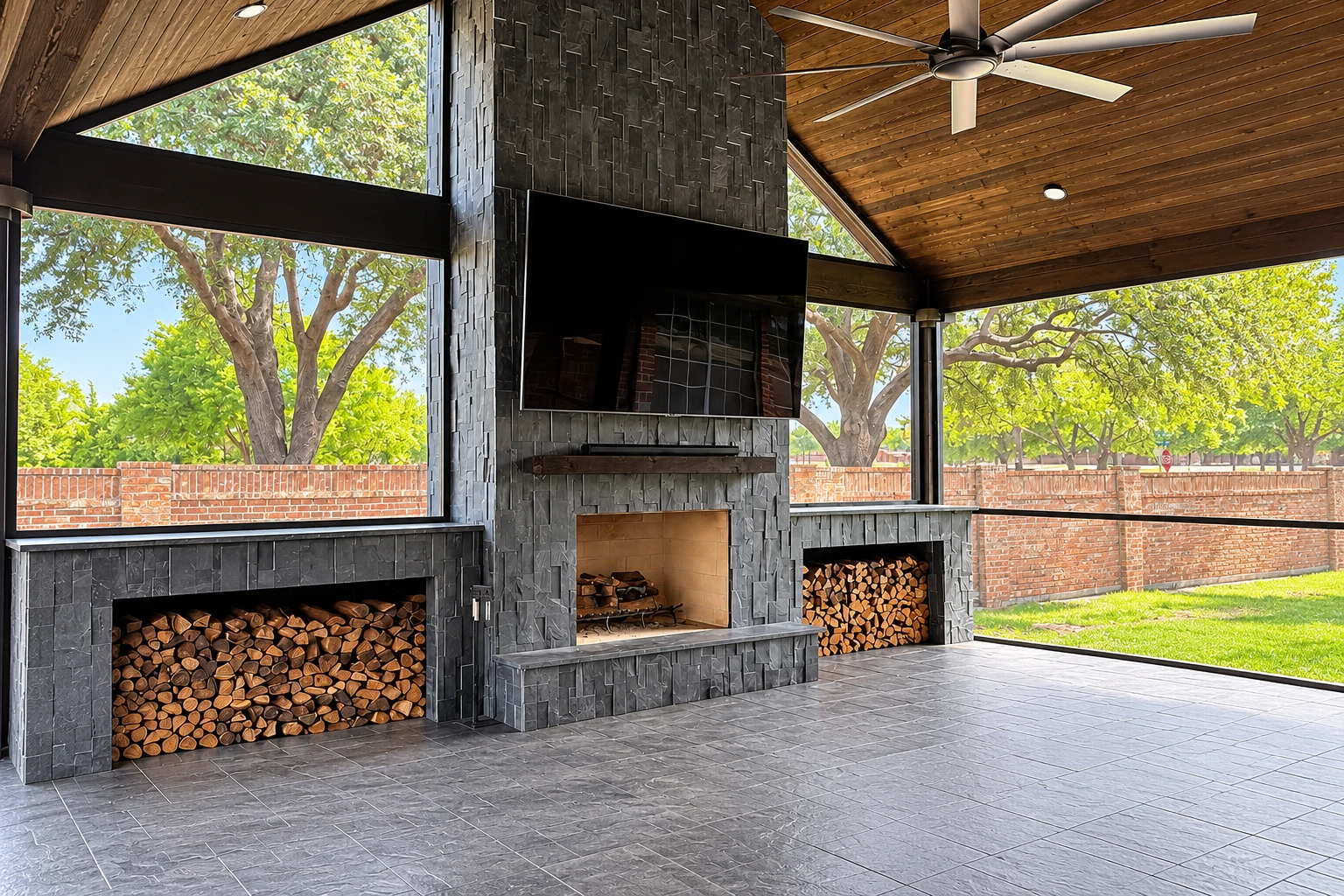
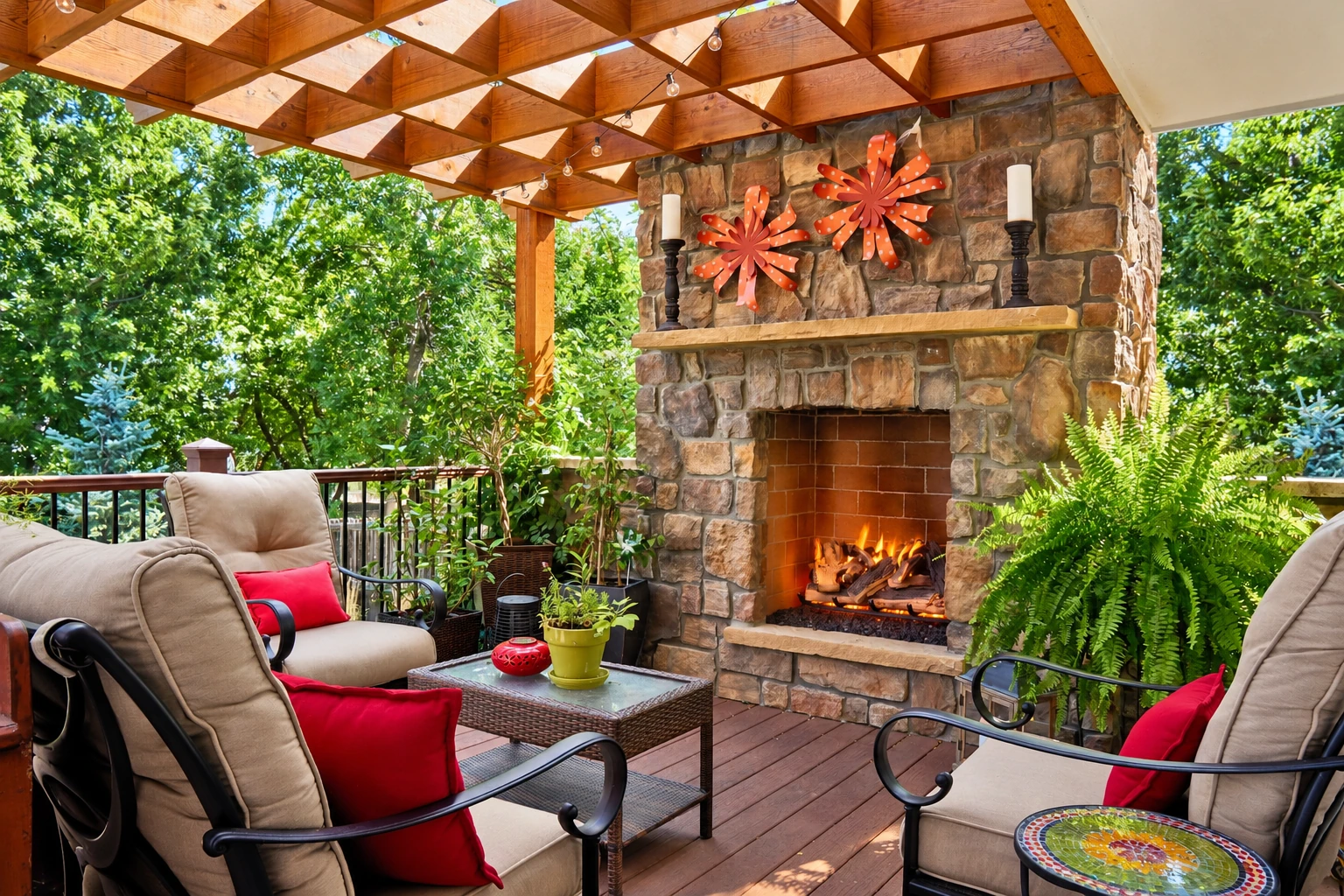
On the older houses near downtown, the mortar was usually mixed softer than what's sold today, and packing hard modern mortar into those joints can make the brick around it spall, where the face pops off. So we match the mortar to the wall, not to what's quickest. Chimneys on these homes take the worst of the weather, and a leak inside the house often starts at the crown or the flashing up top. If you're adding a hearth rather than fixing one, our fireplace installation page covers how that job goes. Either way, it helps to clear a path to the wall and tell me about any past repairs you know of.