

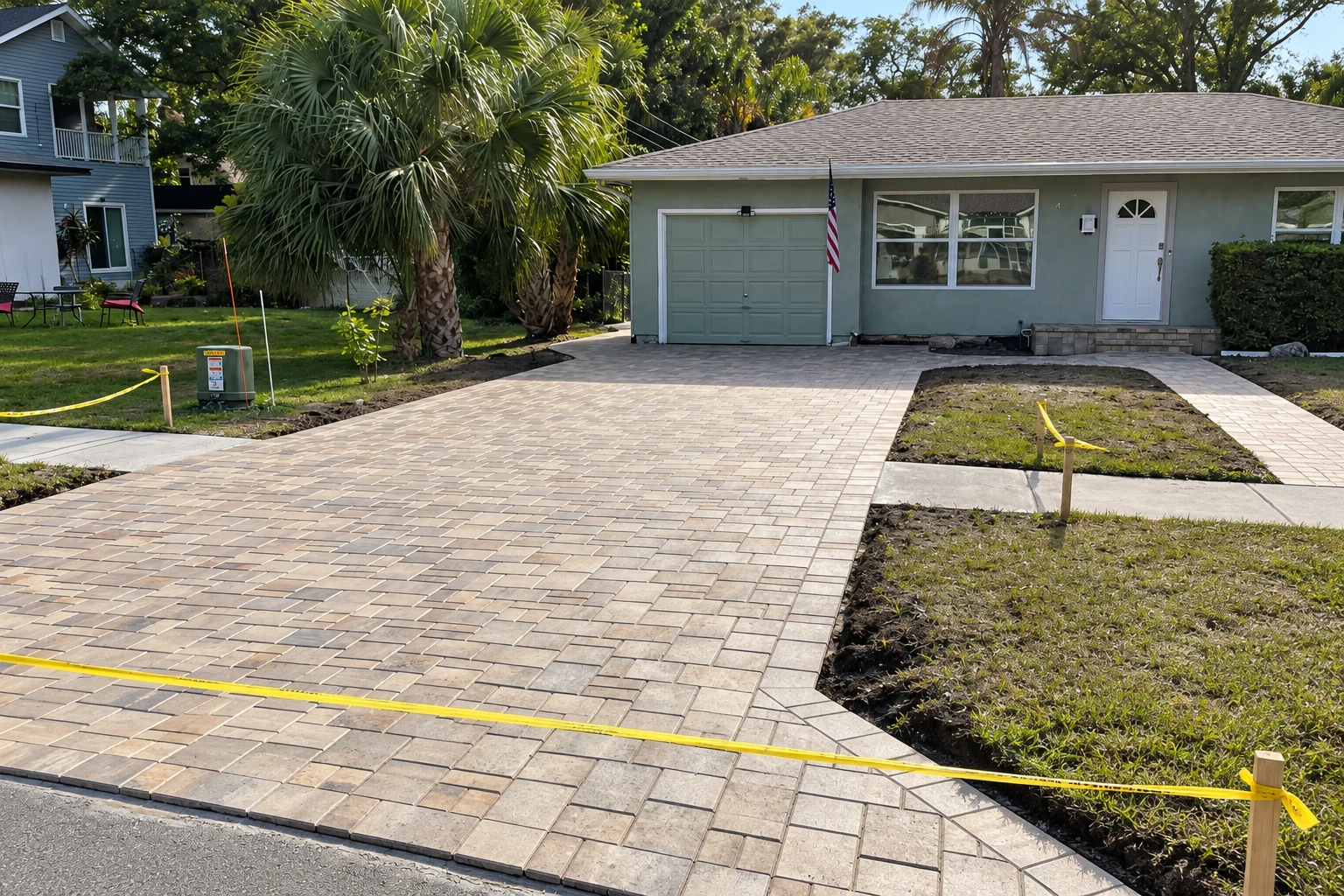
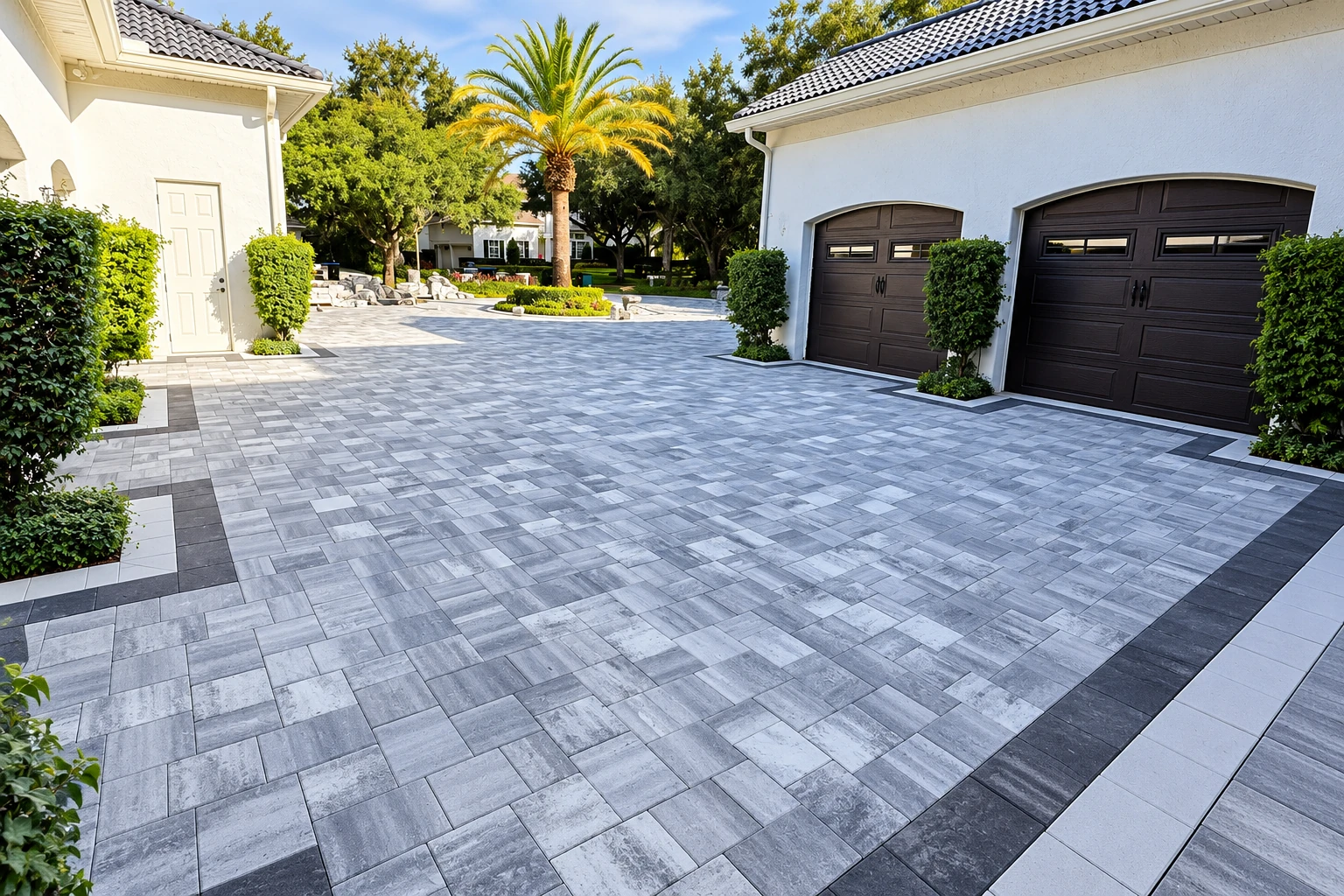


We're based in Noblesville, and Carmel is one of the cities around it where we do the same work we do at home, along with Westfield to the north and Fishers to the east. The calls we get here sound a lot like the ones we get everywhere: mortar that's crumbling out of the joints, a crack running up a wall, a chimney that lets water in, or a new wall or walkway someone's been putting off.
A lot of the houses we see in Carmel have brick or stone across the front and a finished yard out back, so most jobs mean working close to landscaping, a driveway and the neighbors, and matching new material to what's already on the house.
How city approval fits your start date
In Carmel, one permit usually covers the whole project, and the same city office that issues it also does the inspections, so the approval is part of your schedule from the first day. Before we set a start date, I check with the city on what your job calls for. When a permit's needed, we take care of the application, and we plan the work around the inspections it brings. Past that, the schedule mostly turns on how much of the wall needs work once it's open, which I'll talk through with you at the estimate.
Why we look for the cause first
When a joint crumbles or a crack opens up, I want to know why before I say what to do, because a fix that skips that step ends up right back where it started. Sometimes it's water getting in at a cap or a downspout, and sometimes the wall behind the brick has moved. If worn mortar is the whole story, tuckpointing, grinding out the old joints and packing in fresh mortar, usually handles it. Price follows how many joints or bricks come out, how hard they are to reach and how closely new material has to match. At the estimate I'll tell you what's behind it, put the work in writing and say so if it can wait.
Getting your yard ready for the crew
Before we start, we'll walk the yard with you and pick where the brick, block and mortar will sit and how we get a wheelbarrow from the driveway to the wall, so your lawn and beds take as little traffic as we can manage. We keep mud off the street and our debris tied down or hauled away, partly because that's how you work next to neighbors and partly because the city fails an inspection when required erosion and stormwater controls aren't in place, and mud in the street or loose debris counts against you. Moving cars, patio furniture and planters away from the wall before we arrive saves time on the first day.